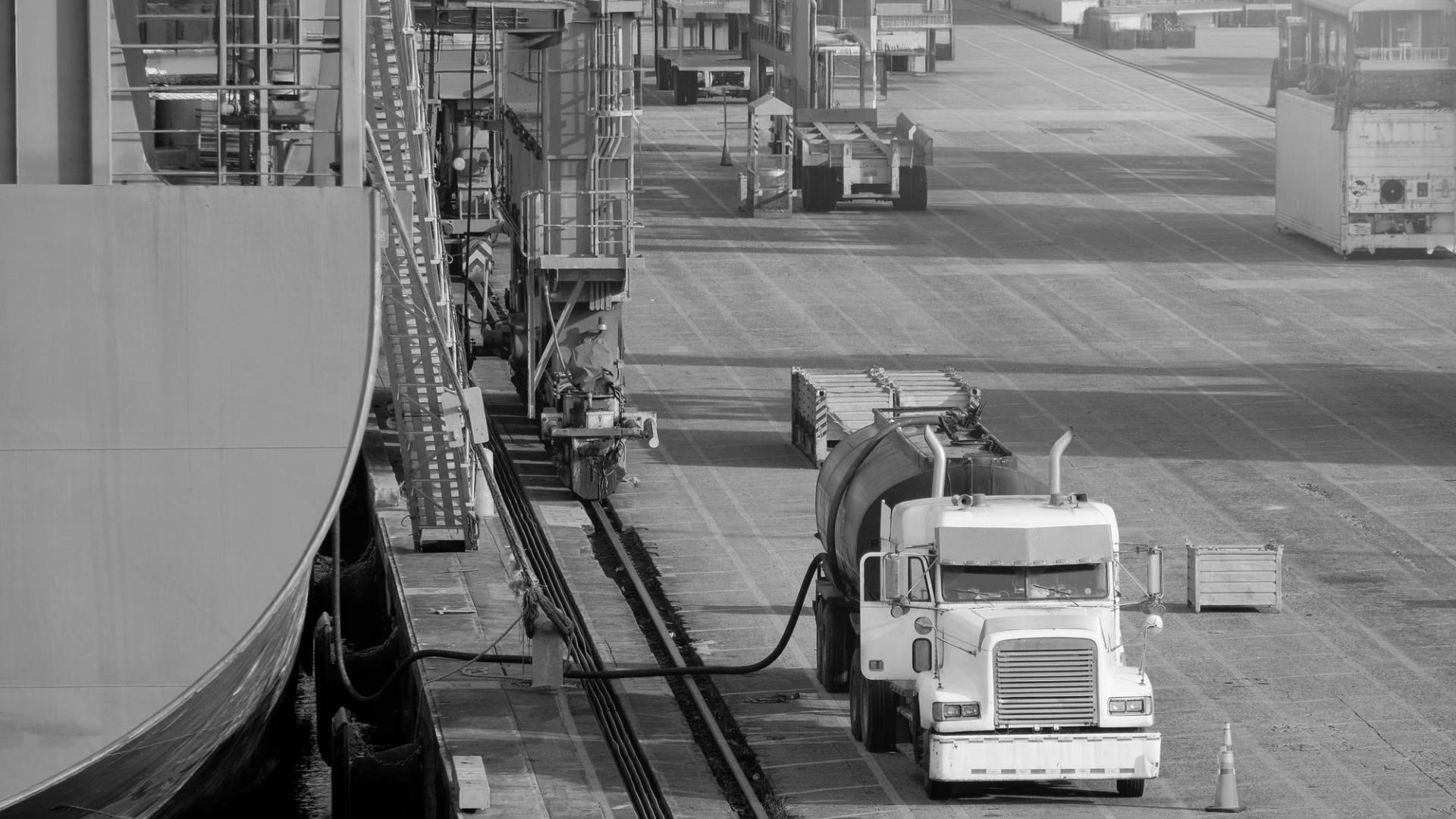
ANTAQ launches Public Call for contributions on bunkering and ship-to-ship fuel transfer operations
Public Call for Contributions SRG No. 04/2026, launched by the Brazilian National Waterway Transportation Agency (ANTAQ), seeks input on the Preliminary Regulatory Impact Assessment (RIA) Report for Topic 2.3 of the 2025–2028 Regulatory Agenda, which addresses fuel transfer operations between vessels, including bunkering.
The initiative aims to refine the criteria for classifying these operations, harmonize the regulatory framework, and enhance legal certainty and predictability for waterway transportation stakeholders.
Guidelines and Objectives:
The Preliminary RIA Report for Topic 2.3 of the 2025–2028 Regulatory Agenda examines the impacts and regulatory needs associated with fuel transfer operations between vessels, including bunkering.
The analysis seeks to standardize the regulatory interpretation, establish appropriate criteria for classifying these operations, and provide greater regulatory clarity and legal certainty for waterway transportation stakeholders. Key objectives and recommended measures include (i) standardizing the regulatory interpretation; (ii) applying appropriate criteria; and (iii) ensuring equal treatment in regulatory compliance and enforcement.
RIA Findings
Based on its analysis of the potential impacts of the policy options considered, the RIA identified the following alternatives as appropriate:
Action Block 1 – Criterion for Determining the Type of Navigation: the selected alternative was the Origin and Route Criterion, under which the applicable navigation regime is determined by the relationship between the point where the fuel is loaded and the point where the service is provided. The RIA proposed the following classification:
i. Port support navigation: any operation in which the supplying vessel loads and delivers the fuel at the same location;
ii. Cabotage: any operation in which the supplying vessel loads the fuel at a given point in Brazilian territory and performs the refueling at a different point, through a maritime voyage.
Action Block 2 – Update and Harmonization of Regulations: the selected alternative was a comprehensive revision of ANTAQ Resolution No. 133/2025, with commercial evidence requirements adapted for cabotage, proposing to:
i. revise the provisions of said resolution relating to bunkering, port support activities, and cabotage;
ii. introduce a specific rule on evidence of commercial operations for bunkering, accepting the fuel sales invoice (nota fiscal) as valid documentation, alongside the bill of lading, in cases classified as cabotage; and
iii. broaden the scope of covered fuels from “petroleum products” to “fuels and energy inputs,” including LNG, biofuels, methanol, and other alternative fuels.
Action Block 3 – Monitoring and Data Collection: the highest-rated option was the establishment of a regulatory technical visit program, under which the GRN/SRG team will visit bunkering operators at the main operating locations, in order to bring the technical staff closer to market realities and prevent further delays in identifying regulatory issues.
Potential Impacts on Industry Stakeholders
If adopted, the origin and route criterion may require shipping companies, fuel suppliers, and bunkering operators to review their authorizations, chartering procedures, commercial documentation, and operational requirements.
Stakeholders should also assess whether operations currently conducted under the port support regime may come to be classified as cabotage, taking into account where the fuel is loaded and the route taken by the supplying vessel.
To mitigate these impacts, the RIA proposes transition measures and regulatory adjustments, including an adaptation period, alignment of the rules governing authorizations and chartering, and greater clarity on the documents required as evidence of the operations.
Transition, Enforcement, and Monitoring
The RIA proposes a 12-month period, starting from the publication of any revised regulation, for stakeholders to adapt their operations and authorizations to the new classification criterion. During this period, noncompliance would not be deemed an administrative violation, provided that the stakeholder demonstrates that it has taken timely steps to come into compliance.
Final Remarks
The proposals seek to reduce legal uncertainty and make the classification of bunkering operations more predictable, particularly for those conducted outside port areas. Broadening the scope of covered fuels may also position the regulatory framework for the growing use of alternative energy sources in maritime transportation.
Given the potential effects on current operations, shipping companies, fuel suppliers, and other interested parties should assess the impacts of the alternatives recommended in the RIA and consider submitting contributions to Public Call for Contributions SRG No. 04/2026, which must be submitted by 11:59 p.m. (Brasília time) on November 12, 2026, exclusively through the online form made available by ANTAQ.
Authors
Marcelo Frazão, Laura Perez, Ana Clara Jaccoud, and Isabel Lino.